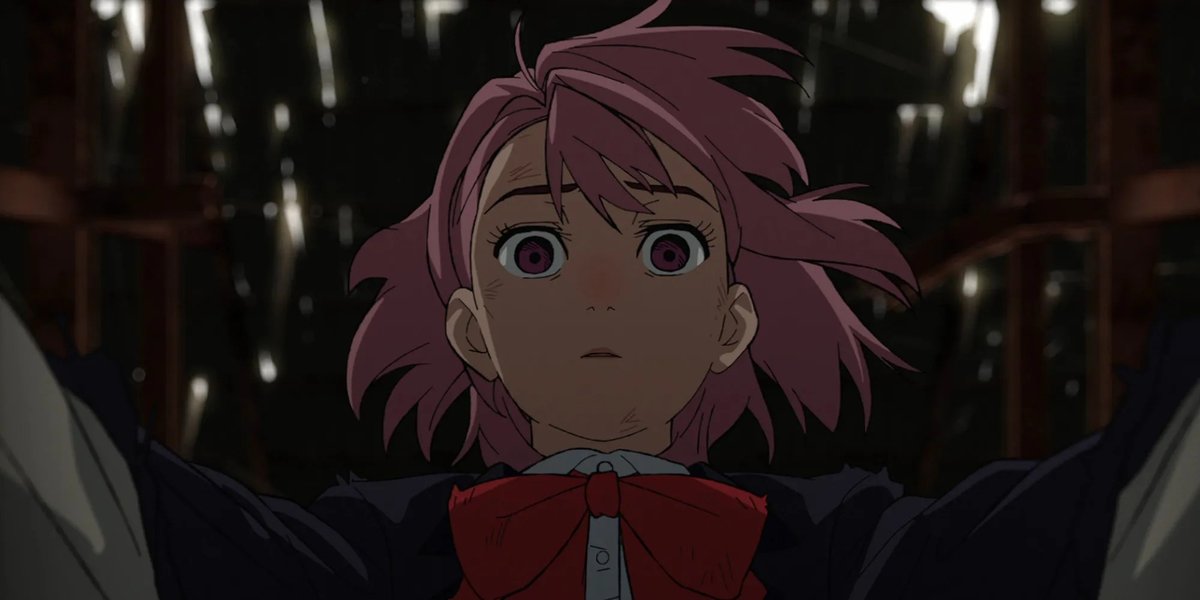
"Dandadan," the brainchild of Yukinobu Tatsu, burst onto the scene in Shonen Jump in 2021, quickly captivating audiences with its wild blend of sci-fi, horror, and laugh-out-loud humor. Its anime adaptation, arriving in 2024, has only amplified its unique charm and sparked countless discussions. But beyond its alien abductions, ghost possessions, and quirky romance, a fascinating question has emerged among fans: what does "Ichigo Kurosaki" have to do with "Dandadan"?
While Ichigo Kurosaki, the iconic Soul Reaper from Tite Kubo's Bleach, doesn't make a literal appearance in "Dandadan," the question isn't as far-fetched as it seems. Fans often draw parallels between beloved series, seeking thematic echoes, character archetypes, and power system inspirations. In the vibrant, often chaotic world of "Dandadan," many see reflections of the kind of spiritual battles and reluctant heroism that defined Ichigo's journey. It's about understanding how Bleach's legacy might subtly influence or resonate with a new generation of supernatural action, and it offers a fresh lens through which to appreciate "Dandadan"'s brilliance.
The Weird & Wonderful Core of Dandadan
At its heart, "Dandadan" introduces us to two high school students, Momo Ayase and Ken Takakura, affectionately known as Okarun. They're a classic odd couple: Momo, vibrant and assertive, believes wholeheartedly in ghosts but scoffs at aliens, while the introverted Okarun is obsessed with UFOs but dismisses the paranormal. Fate, however, has a wicked sense of humor, forcing them to confront both supernatural forces head-on, proving the existence of everything they doubted.
Their misadventures are nothing short of bizarre. Okarun finds himself possessed by the foul-mouthed Turbo Granny, a vengeful spirit who steals his "Kintama" (golden balls), granting him unusual powers. Meanwhile, Momo battles aliens with unsettling reproductive intentions, targeting her eggs. This wild premise sets the stage for a series brimming with unique entities, battles, and a surprisingly sweet, budding romance. To truly appreciate the foundation of this world, you'll want to explore the overarching story and thematic elements that connect these two distinct universes.
Why Fans See Bleach's Echoes in Dandadan
The connection between Ichigo Kurosaki and "Dandadan" isn't about direct cameos, but rather a recognition of shared DNA in their narrative approaches to the supernatural. Ichigo's journey was one of a reluctant hero thrust into a spiritual world, constantly evolving his powers to protect his friends and family from Hollows and other formidable foes.
In "Dandadan," we see similar archetypes. Okarun, initially a timid outcast, gains powers from his possession and must learn to fight for Momo and himself. Momo, despite her skepticism, develops psychic abilities and becomes a formidable fighter. Both are ordinary teenagers forced to confront extraordinary threats, mirroring Ichigo's transformation from a high schooler who could see ghosts into a powerful Soul Reaper. This shared journey of self-discovery through supernatural combat is a powerful draw for Bleach fans, prompting them to consider how characters in Dandadan mirror Ichigo's journey and struggles.
Furthermore, both series feature intricate, albeit very different, power systems. Bleach delved into the intricacies of spiritual energy (Reiatsu), Zanpakuto abilities, Hollowfication, and Quincy powers. "Dandadan" crafts its own unique lore around yokai, aliens, cursed artifacts, psychic abilities, and the energetic essence of "Kintama." These fantastical power sets, while distinct, share a common thread of ingenuity and constant evolution, leading many to examine the intriguing parallels between Bleach's power systems and Dandadan's unique abilities.
Unpacking the Lore: What is "Dandadan"?
Beyond the character parallels, "Dandadan" itself holds a deeper, more enigmatic meaning, gradually revealed within the manga. In Chapter 163, titled "Saviors, Don't Be Late!", the antagonist, Count Saint-Germain, a collector of ancient artifacts, unveils his ultimate agenda: to acquire "Dandadan." After gaining powers from a trapped yokai, he provocatively asks, "Are you familiar with Dandadan?"
The chapter's final panels feature the Womb Realm Mandala, a profound Buddhist symbol. This revelation hints at a mythological origin for the title, suggesting "Dandadan" might represent an ultimate power—perhaps a force that maintains the delicate balance between realities, prevents otherworldly entities from invading the human world, or even a path to enlightenment. If it grants immense knowledge and power, fans believe Momo and Okarun are the rightful individuals to wield it. These layers of spiritual and mythological depth, much like the intricate lore of Bleach, fuel deep discussions among readers. For those eager to dive into these theories, we encourage you to delve into the most popular fan theories and speculations surrounding this crossover idea.
The repeating Japanese suffix "Dan" in the title, often meaning "story" (like Kaidan for ghost story), also suggests "Dandadan" could be a clever wordplay representing a strange or weird horror story, perfectly encapsulating the series' genre-bending nature. It’s a series that demands attention to detail, whether you're following the manga or the anime, and there are key differences to note. You can get more insights by checking out the subtle yet significant differences between the Dandadan anime and manga adaptations.
The Dandadan Controversy: A Deeper Look at its Mature Themes
Like many groundbreaking works, "Dandadan" has not been without its share of controversy, particularly regarding its depiction of sexual themes and violence against its female protagonist, Momo Ayase. The initial episode raised concerns with Momo's abduction by aliens intent on harvesting her eggs, leading to accusations of objectification.
The Season 1 finale, adapting Chapter 33's "Cursed House Arc," intensified this discussion with a shocking cliffhanger. Following a failed mission, Momo is pursued into a hot spring by the villainous Kito family, who attempt to sexually assault her. The lack of immediate resolution, coupled with previous instances of Momo being targeted, drew significant criticism.
However, defenders argue these attacks are intentionally portrayed negatively, serving to establish the Kito family as villains and reinforce the series' horror genre parameters. They contend that such narrative choices, similar to the dark themes in Attack On Titan, do not endorse these actions but rather use them to depict villainy and the true horrors faced by the characters, fitting within anime's tradition of exploring complex stories. These discussions are crucial for understanding the series' impact, and you can explore a deeper look into the controversies and mature themes explored within Dandadan.
The Enduring Appeal
"Dandadan" stands as a testament to creative storytelling, pushing boundaries with its unique blend of genres and unapologetic narrative. While Ichigo Kurosaki may not literally cross over, his spirit—that of a hero fighting against impossible supernatural odds, protecting loved ones, and growing through adversity—undeniably resonates within the very fabric of "Dandadan." It's a series that invites comparisons to the greats, not to overshadow them, but to highlight its own potential to become a beloved classic for a new generation. As the manga continues and the anime expands, the world of Momo and Okarun promises more bizarre adventures, heartfelt moments, and perhaps, even more parallels for fans to uncover.